Driveway Resurfacing Phoenix
Driveway Resurfacing Phoenix, AZ – A New Surface Without a Full Tear-Out
Maybe your driveway still feels solid underfoot, but it looks terrible.
The color’s burned out. Old patches show through. Hot tires have lifted a coating in front of the garage. After every monsoon, dirt settles into the same rough spots.
That’s exactly where driveway resurfacing in Phoenix makes sense.
Instead of breaking everything out and starting from scratch, we keep the slab that’s still doing its job and rebuild the working surface on top of it. You get a driveway that looks new, drives better, and still fits the way your property is laid out.We work only inside Phoenix city limits, so everything we recommend is based on how concrete actually behaves here—115°F days, dust storms, irrigation overspray, and fast monsoon runoff.
When Resurfacing Is a Smart Choice for Phoenix Driveways
Resurfacing isn’t the right answer for every driveway. But when the structure underneath is sound, it can be the most cost-effective way to fix an eyesore.
We see a lot of older homes in Encanto, Alhambra, Central Phoenix, and Maryvale with driveways that tell their age. The slab was poured decades ago and is still holding together, but the surface is tired. You’ll see color changes, spiderweb cracks, old patch material, and maybe a worn coating that never really matched the house.
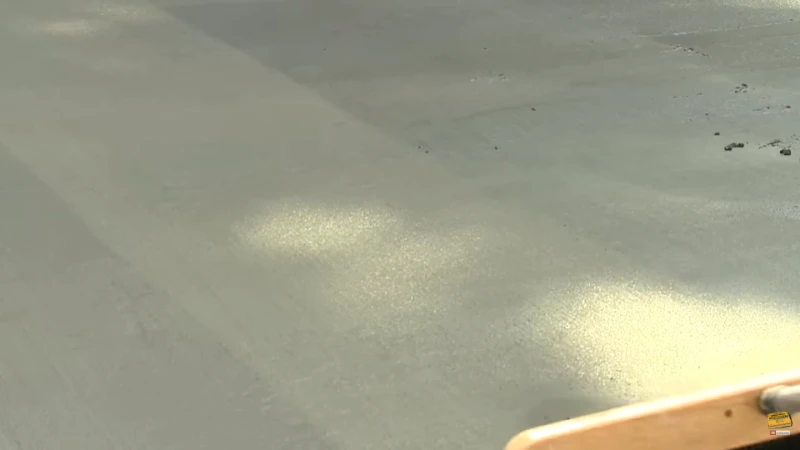
In neighborhoods like Desert Ridge, Ahwatukee, and North Phoenix, the story is often a little different: the concrete isn’t that old, but the sun has cooked the finish, and the top layer looks rougher than it should for the age of the home.
Resurfacing is usually worth considering when:
- The driveway looks bad, but doesn’t rock or move when you drive over it.
- Cracks are mostly flat, without big height differences from one side to the other.
- Water still generally drains away from the house instead of back toward the garage.
- You want better curb appeal without paying for a full removal and repour.
If we step onto the slab and feel movement, see sections that have sunk badly, or watch water run straight toward your entry, we’ll tell you honestly that resurfacing is not going to fix the real problem.
How Driveway Resurfacing Works in Real Life
On paper, resurfacing sounds simple: “put something new on top.” In Phoenix, the reality is a little more involved, and the prep work is what makes it last.
We start by walking the driveway and reading it like a story. Where did the cracks start? Are there patterns near downspouts, in front of garages, or along the street? Does the car always park in the same spot? Are sprinklers soaking one edge every morning? All of that helps explain why the surface looks the way it does.
From there, the work is mostly about getting the existing concrete ready to accept a new layer. That means cleaning off years of dust, oil, and tire residue, grinding or profiling the surface so the overlay can grip, and cutting out loose or hollow areas that would fail under a new topping. Cracks that matter get stabilized, not just filled.
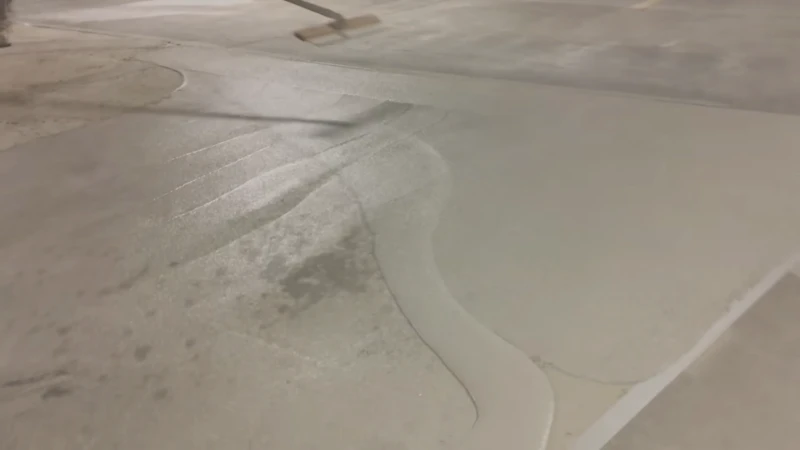
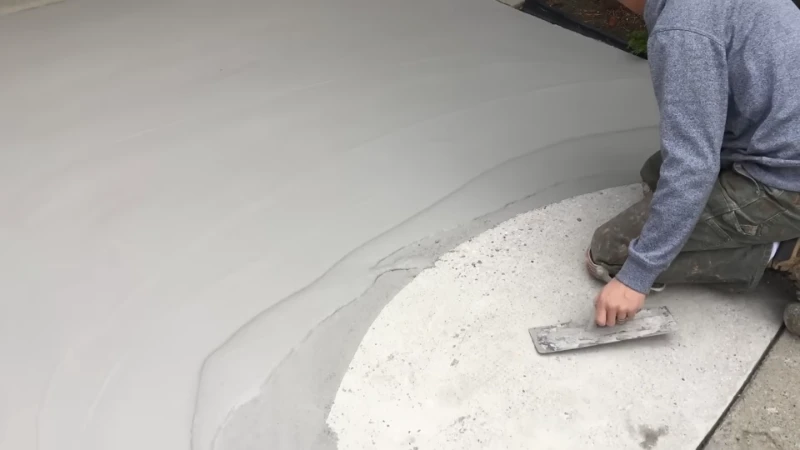
Only after the base is solid do we place a cement-based overlay made for vehicle traffic. Think of it as a new skin bonded to the old slab, not a thin coat of paint that can peel off. While that overlay is still workable, we shape transitions, refine edges, and make sure the slope still carries water the right direction.
To finish, we add texture for traction and, if you want it, color that makes the driveway match the rest of the property. A sealer designed for high heat and UV locks it in and gives the surface a fighting chance against Phoenix summers and hot tires.
Common Driveway Problems We Fix Around Phoenix
After a while, you start to recognize Phoenix driveways at a glance. Different neighborhoods have their own patterns, but the issues repeat.
In older parts of Central Phoenix and Encanto, we often see driveways that have been patched in pieces over the years. One panel got replaced after a plumbing repair, another after tree roots lifted it, and now nothing quite matches. The concrete may still be thick and strong, but visually it’s all over the place.
In North Phoenix and Desert Ridge, it’s more common to see surfaces worn by direct sun and hot tires. A “decorative” coating added years ago started peeling in front of the garage, leaving blotchy spots. The underlying slab is fine, but the top looks like a failed experiment.
Across the city, common resurfacing candidates share a similar list of symptoms:
- Faded, chalky, or uneven color from years of sun.
- Light surface scaling or flaking, especially near sprinkler lines.
- Hairline cracking with no big steps between panels.
- Rough spots where a DIY patch job didn’t age well.
When we can stand on the slab and feel that it’s still solid, resurfacing can give the whole driveway one consistent surface again instead of a history lesson in every panel.
Finish, Texture, and Color Choices That Work Here
Most homeowners don’t want a showpiece driveway. They want something that looks intentional, fits the neighborhood, and doesn’t turn into a maintenance project. That’s where finish and color choices matter.
On many Phoenix homes, a simple, refreshed surface is enough—a clean, uniform look that doesn’t scream for attention. In those cases, we focus on texture and a subtle shift in tone that plays nicely with stucco, roof tile, and landscape rock.
Where the front of the home gets strong western sun—common in parts of Laveen, South Phoenix, and wide-open lots—we’re careful with how dark we go. Deep colors can look great in photos but become uncomfortable to walk on in August. Lighter, warmer tones do a better job of reflecting heat and cutting glare.
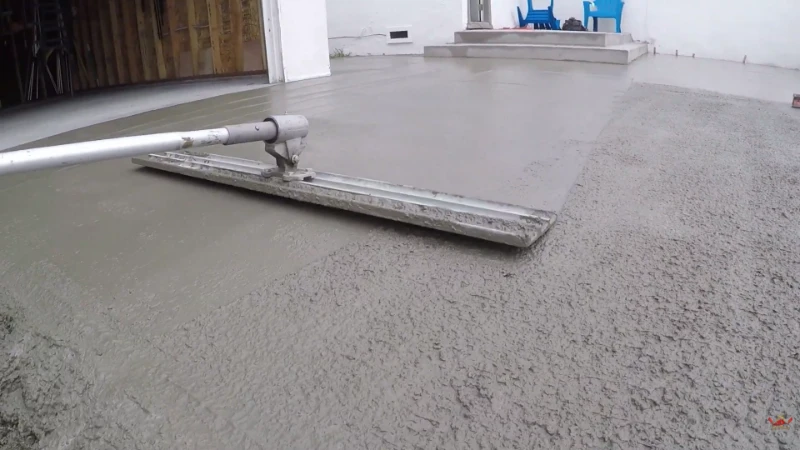
Around the edges, some homeowners like small upgrades: a narrow border that frames the driveway, a band at the sidewalk, or a slightly different texture near the street. Those details are enough to make the driveway look “finished” without turning it into something fussy.
The key is that every choice connects back to your house, not a catalog picture—your stucco color, your trim, your yard, your block walls.
Why Phoenix Climate Changes the Rules
A resurfacing system that works in a mild, cloudy climate can fail quickly here. Phoenix is hard on anything exposed all day.
Summer heat pushes surface temperatures far above the air temperature. Tires pull into the driveway after a drive on hot pavement. Cheap coatings soften and stick, then lift as the car rolls away. That’s why we stay away from bargain-bin products and instead use systems meant for high-heat markets.
Monsoon storms bring another layer of punishment. Short, heavy bursts of rain expose bad drainage instantly. If the new surface doesn’t shed water properly, you’ll see dirt streaks, early wear, and long-term damage. We spend real time watching how water wants to move before we recommend an overlay.
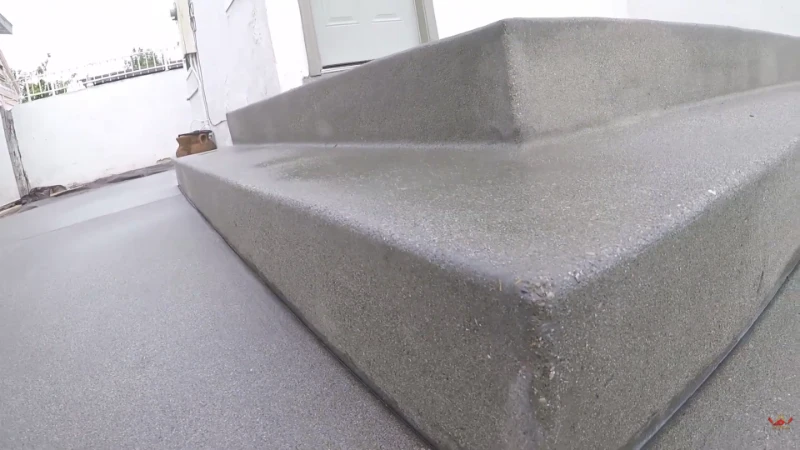
Dust and irrigation both play quiet roles too. In many Phoenix yards, overspray hits the same stretch of concrete every morning, wearing at the surface and edges. We can’t change where your plants are, but we can set expectations and choose textures and sealers that handle the reality of your yard as well as possible.
Resurfacing here is never just “put something pretty on top.” It has to respect the climate or it won’t last.
Honest Call: Resurface or Replace?
There’s no benefit for you—or us—in resurfacing a driveway that’s already failing underneath. If we suspect base failure, serious movement, or long-term drainage problems, we’ll say so plainly.
Sometimes that means telling a homeowner in Ahwatukee or South Phoenix that, as much as we’d love to save the slab, the money is better spent on a full rebuild. Other times, a driveway in Biltmore or Alhambra surprises people in the opposite direction: the structure is solid, and resurfacing is all it really needs.
You won’t get a “one size fits all” answer. You’ll get a clear explanation of what we see, what resurfacing can fix, what it can’t, and how the costs compare. The final decision is yours, but it should be made with the full picture, not wishful thinking.
Maybe your driveway still feels solid underfoot, but it looks terrible.
The color’s burned out. Old patches show through. Hot tires have lifted a coating in front of the garage. After every monsoon, dirt settles into the same rough spots.
That’s exactly where driveway resurfacing in Phoenix makes sense.
Instead of breaking everything out and starting from scratch, we keep the slab that’s still doing its job and rebuild the working surface on top of it. You get a driveway that looks new, drives better, and still fits the way your property is laid out.We work only inside Phoenix city limits, so everything we recommend is based on how concrete actually behaves here—115°F days, dust storms, irrigation overspray, and fast monsoon runoff.
FAQs
If your driveway is cracked, faded, or worn out, resurfacing can be a great solution. Here are clear answers from our Phoenix driveway resurfacing experts.