commercial concrete contractors phoenix aZ
Your Trusted commercial concrete contractors phoenix aZ
Concrete on a commercial property is part of your operations, not just part of the landscape. It carries customers from the parking lot to the front door, supports forklifts and pallet jacks in the warehouse, and holds up under delivery trucks, dumpsters, and daily foot traffic. When it fails in Phoenix, you’re suddenly dealing with safety concerns, ADA complaints, access issues, and frustrated tenants or customers.
We work only inside the City of Phoenix, so every slab, pad, lane, and walkway is designed for local reality: triple-digit summers, sudden monsoon storms, UV exposure, and city expectations. If a surface supports revenue, equipment, or public access, “good enough” isn’t an option. Moreover, if you need residential concrete contractors phoenix, contact us anytime for services.
Concrete Designed for Phoenix Business Conditions
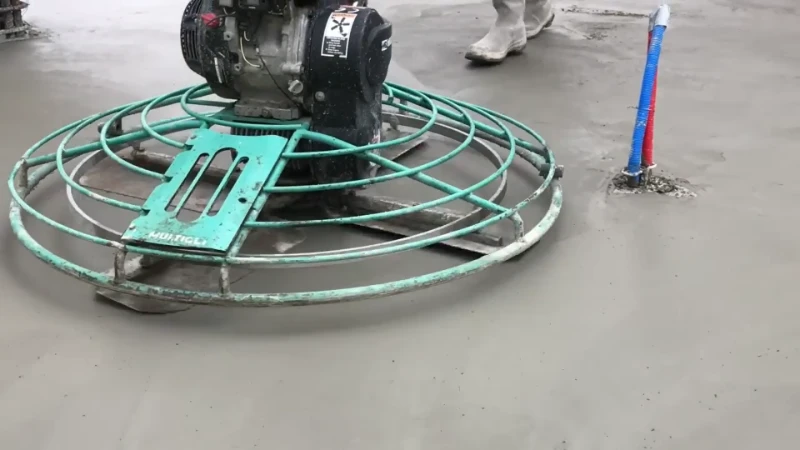
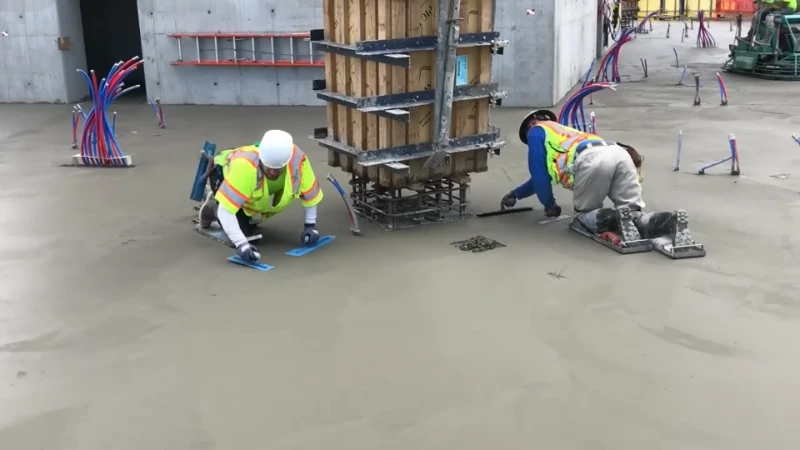
Commercial concrete in Phoenix faces more than just weight. Summer heat speeds up set times and can ruin a finish if curing isn’t managed correctly. Monsoon bursts reveal bad drainage in the first storm. Hot tires, forklifts, and carts grind over joints all day long. Overspray from landscape irrigation quietly eats away at slab edges over the years.
A drive lane off Camelback Road doesn’t behave the same way as a dumpster pad behind a small strip center on Indian School, or a loading zone near Sky Harbor. We treat each one differently. Before we recommend anything, we study how the area is actually used: what’s driving over it, how often, where water flows, where people walk, and where problems have already started. That evaluation drives decisions about thickness, reinforcement, joint layout, and surface finish.
The result isn’t just a smooth slab—it’s a surface that’s built to survive Phoenix business use, not just pass an inspection. Hire best concrete contractors phoenix for project estimation.
Parking Lots, Drives, and Fire Lanes
Parking and drive areas are often the first thing people see when they arrive at your property. They’re also some of the hardest-working surfaces you own. All day they carry employee cars, delivery vans, trash trucks, and visitors who don’t always turn their wheels gently.
On retail centers along 7th Street, small office lots in Midtown, and tenant-heavy sites around Thomas and Central, we see the same patterns: broken edges where trucks cut tight corners, low spots that hold water after storms, and mismatched patches from years of quick fixes.
When we rebuild or install these areas, we focus on three things:
- Traffic flow and turning patterns, so joints and edges don’t sit in the heaviest wear zones.
- Drainage that moves water toward approved points instead of toward doorways or low-lying walkways.
- Reinforcement and thickness that suit actual loads, not just generic “parking lot” assumptions.
The goal is pavement that looks clean, drains correctly, and holds up without becoming a constant maintenance headache.
Warehouse Floors and Shop Slabs
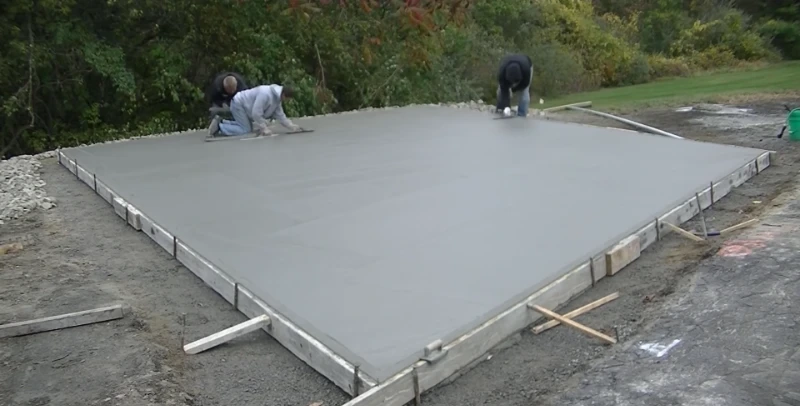
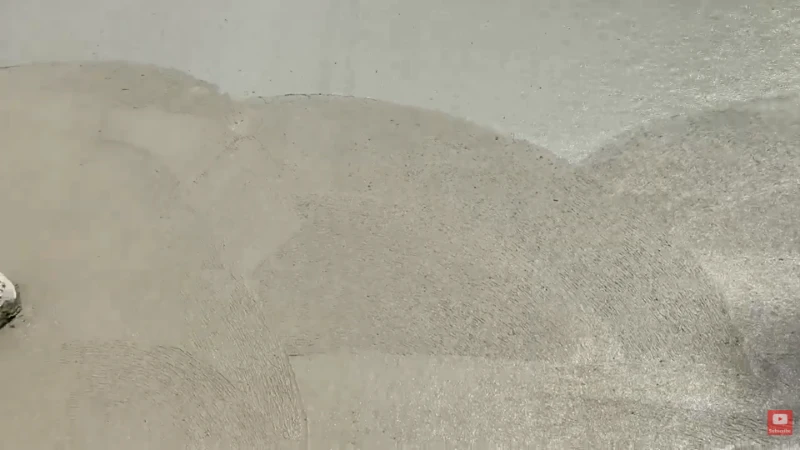
Inside the building, the concrete floor often carries the most value. Forklifts, pallet jacks, racking systems, and small machines all depend on a slab that doesn’t curl, crack, or settle.
For industrial spaces near the I-17 corridor or small shops closer to Roosevelt Row, we pay attention to details that might not be obvious at a glance. Joint layout is designed around forklift paths, so wheels don’t hammer the same seam all day.
Reinforcement is planned where racking legs or equipment feet concentrate load into small spots. In areas where lifts or laser-guided equipment will operate, we talk openly about flatness expectations instead of leaving it to chance.
We also consider how oils, chemicals, or constant cleaning might affect the surface over time. The finish, curing method, and sealing plan all follow from how the floor will actually be used—not just from what’s on the drawing.
Dumpster Pads, Service Areas, and Delivery Zones
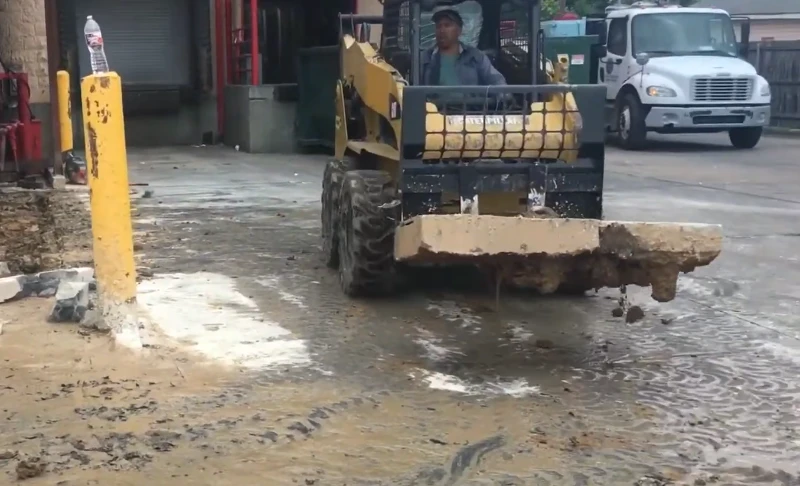
Back-of-house concrete in Phoenix usually tells the truth about how a property was built. Dumpster pads, delivery ramps, and service alleys see some of the harshest wear on the site. Trucks turn in tight circles in the same spot. Containers roll across small wheels loaded with weight. Water from wash-downs and rainstorms collects where the grading wasn’t done quite right.
In Central Phoenix and South Phoenix, we see the same pattern again and again: thin concrete at the edge of the pad, crushed corners near dumpster wheels, and water that runs toward the building instead of away from it.
When we design or rebuild these areas, we add thickness where impact and turning are heaviest, tie reinforcement into surrounding slabs correctly, and give water a path that moves it away from walls and doors. The idea is simple—service trucks can keep doing their job without turning your alley into a permanent repair zone..
Sidewalks, Walkways, and Multi-Unit Paths
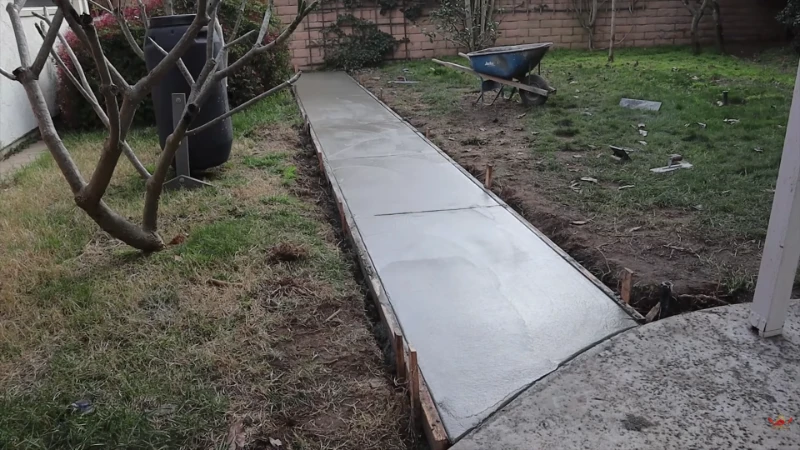
On multi-tenant properties, concrete walkways aren’t just a design feature; they’re part of your safety and accessibility record. Apartment communities, HOA common areas, and storefront approach paths all need to stay smooth, stable, and properly drained.
Instead of just replacing a cracked panel, we look at why it moved: Did irrigation wash out the base? Are tree roots lifting the slab? Was the original grade too flat, causing water to sit at the joint? That reasoning guides whether we grind a small trip edge, reset a panel, or rebuild a section.
Along the way, we keep ADA intent in mind—slopes that are walkable, transitions that don’t surprise people, and routes from parking to entries that make sense for anyone using a cane, stroller, or wheelchair.
Equipment and Mechanical Pads
HVAC units, generators, pumps, and utility enclosures all rely on small slabs that nobody notices until something goes wrong. When those pads move, crack, or sink, the equipment above them can start to vibrate, leak, or fall out of alignment.
On commercial sites across Phoenix, we set equipment pads with the same attention to base prep and reinforcement that we give to larger slabs. Elevation above grade, access for technicians, and enough strength for vibration and weight all get dealt with before the first bolt or connection goes in. It’s the quiet kind of work that prevents loud problems later.
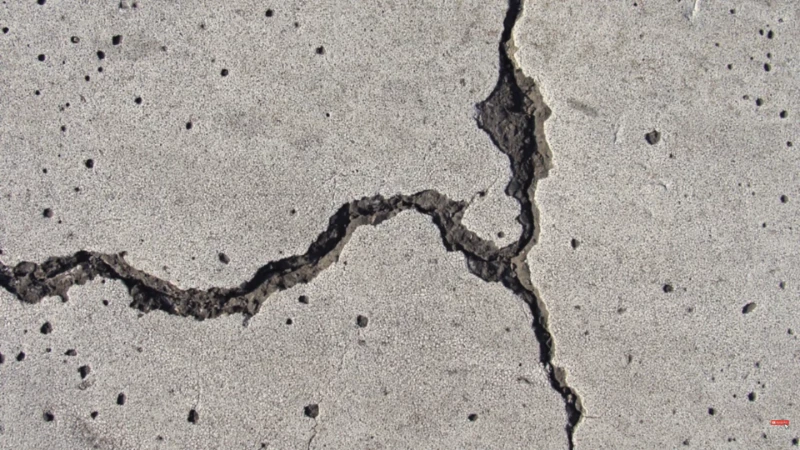
Commercial Concrete Repair and Remediation
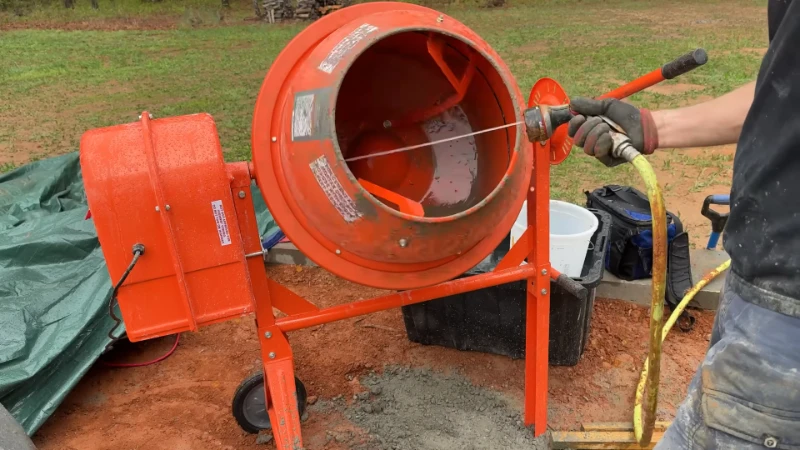
When concrete fails on a business property, it usually shows up as more than a crack. You might notice a wheelchair catching at a joint, pallets leaning because the slab has settled, or customers walking around a puddle that never goes away after rain.
We don’t just cover up the symptom. Before suggesting a fix, we look at traffic, soil, water flow, and construction history to find out why the area failed. Then we talk about options in plain language: what can be repaired, what needs replacement, and what will likely happen if it’s left alone.
Overlays, Resurfacing, and Surface Renewal
Full demolition is sometimes the right call, but it’s not always practical—especially in busy parts of Phoenix where you can’t shut down a pool deck, patio, or walkway for long.
Overlays and resurfacing often make more sense for:
- Hotel pool and courtyard areas
- Common spaces at apartment and condo communities
- Restaurant patios and outdoor seating along busy streets
- Retail walkways and main storefront entries
In places like Downtown, Roosevelt Row, and Uptown, we frequently work while tenants and customers are still on site. We section off work zones, keep safe routes open, and phase the schedule so access stays available.
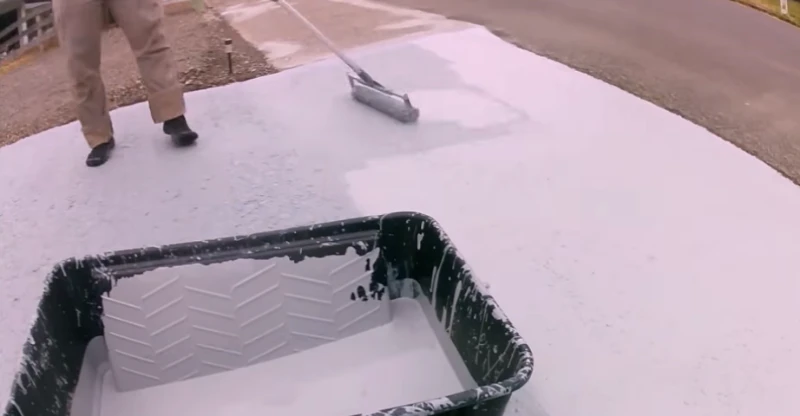
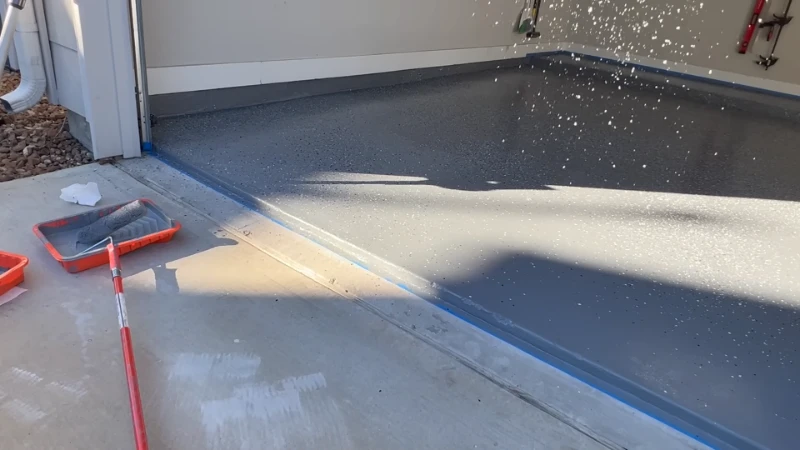
With the right overlay system, we can give old surfaces a fresh, slip-resistant finish, improve the look, and add UV-resistant sealers that stand up to Phoenix sun—all without tearing everything out.
ADA, Safety, and Code-Focused Work
If your property is open to the public, compliance and accessibility matter just as much as appearance. Walkways, ramps, and curb transitions need to feel natural and safe for everyone, not just for people who are steady on their feet.
On these projects, we often:
- Rebuild non-compliant ramps rather than trying to patch them.
- Correct slopes that are too steep or that hold water in the center of the panel.
- Replace panels at parking stalls where the accessible route is too abrupt or uneven.
We’re used to coordinating with property managers, general contractors, and design teams when plans are involved. When needed, we can help you document slopes and layouts so you have a record for your files.
FAQs
Choosing a reliable commercial concrete contractor is important for any business. These FAQs address the most common concerns about commercial concrete services in Phoenix, AZ.