Is My Driveway Asphalt or Concrete? How to Tell the Difference
If you’re not sure whether your driveway is asphalt or concrete, you’re not alone. Many homeowners in Phoenix, AZ ask this question before planning repairs, resurfacing, or replacement. The good news is that you can usually tell the difference with a few simple checks.
This guide explains clear visual, physical, and maintenance differences so you can confidently identify your driveway material.
Read Also: What Is the Best Way to Clean Concrete?
Why It’s Important to Know Your Driveway Type
Knowing whether your driveway is asphalt or concrete helps you:
- Choose the correct repair method
- Estimate costs accurately
- Plan maintenance properly
- Decide when replacement is necessary
Using the wrong repair product can cause damage or shorten your driveway’s lifespan.
Quick Answer: Asphalt vs Concrete
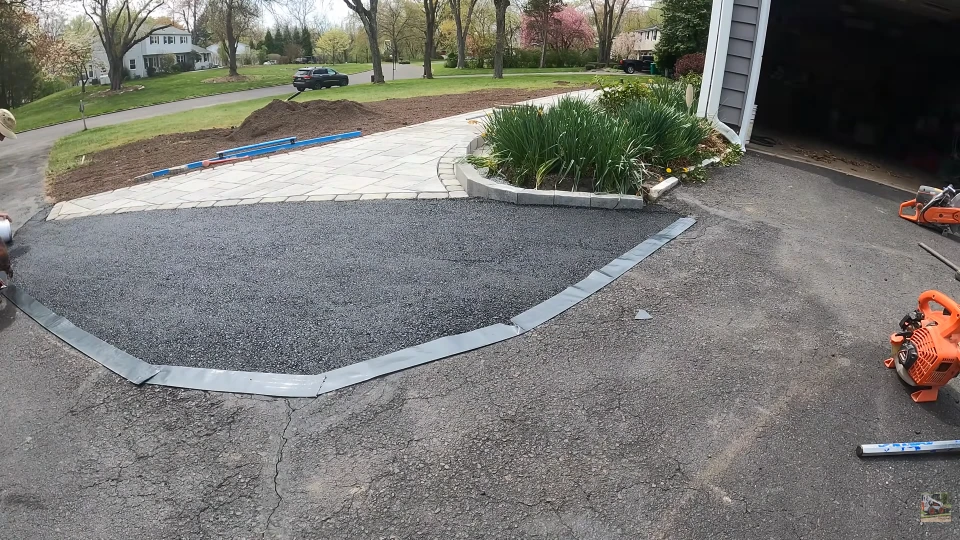
Asphalt driveways are dark, flexible, and softer.
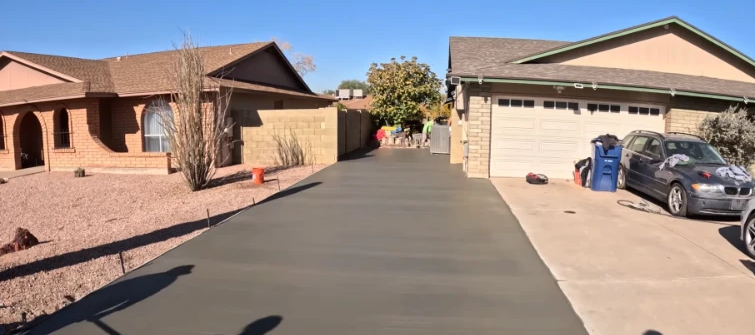
Concrete driveways are light gray, rigid, and hard.
If you want a deeper confirmation, follow the steps below.
Visual Differences Between Asphalt and Concrete
Color
- Asphalt: Black or dark gray (fades to lighter gray over time)
- Concrete: Light gray or white (may yellow slightly with age)
Surface Texture
- Asphalt: Smooth with visible small stones
- Concrete: Solid, flat surface without loose aggregate
Cracks
- Asphalt cracks: Long, soft-edged cracks
- Concrete cracks: Sharp, straight cracks or slab separations
Touch and Feel Test
- Asphalt: Slightly soft on hot Phoenix summer days
- Concrete: Always hard, even in extreme heat
If your driveway feels a bit flexible or sticky in high temperatures, it’s asphalt.
Age and Maintenance Clues
Asphalt Driveway Signs
- Needs sealcoating every 2–4 years
- Fades and oxidizes in the sun
- More prone to heat damage
Concrete Driveway Signs
- May have expansion joints
- Stains instead of fading
- Minimal maintenance beyond cleaning and sealing
Sound Test (Simple Trick)
Tap the surface with a metal object:
- Dull sound: Asphalt
- Sharp tapping sound: Concrete
Which Is Better for Phoenix, AZ?
Asphalt Pros & Cons
Pros
- Lower upfront cost
- Faster installation
Cons
- Heat damage in Phoenix summers
- Shorter lifespan (15–20 years)
Concrete Pros & Cons
Pros
- Heat-resistant
- Long lifespan (30–40 years)
- Less maintenance
Cons
- Higher initial cost
- Longer curing time
In Phoenix’s extreme heat, concrete driveways usually perform better long-term.
Can Asphalt Be Poured Over Concrete?
Yes, but it’s not always recommended. Existing concrete cracks can reflect through the asphalt over time. A professional inspection is best before overlaying.
When to Call a Professional
You should contact a local concrete contractor if:
- Cracks are widening
- Surface is sinking or uneven
- Drainage issues appear
- You’re planning resurfacing or replacement
A professional can confirm the material and recommend the most cost-effective solution.
Frequently Asked Questions (FAQs)
How can I tell if my driveway is concrete or asphalt?
Check the color, hardness, and sound. Concrete is light gray and very hard; asphalt is darker and softer.
Can concrete look black?
Yes. Stains, sealers, or coatings can darken concrete, which is why physical tests matter.
Which driveway lasts longer?
Concrete lasts longer than asphalt, especially in hot climates like Phoenix, AZ.
Is concrete more expensive than asphalt?
Yes upfront, but concrete costs less over time due to lower maintenance and longer lifespan.
Final Thoughts
If your driveway is light-colored, rigid, and long-lasting, it’s likely concrete. If it’s dark, flexible, and needs frequent sealing, it’s asphalt. Knowing the difference helps you protect your investment and choose the right repair or replacement option.
If you’re unsure, a local Phoenix concrete company professional can quickly inspect and guide you.